Locksmith · Scugog
Lessons from the doorstep
A door that drags, a key that needs a jiggle, a fob that works from closer than it used to. Each is a small signal worth understanding. Our advice pages explain what those signals mean and how to act on them before they become a lockout.
- Issue 1Lost Keys — Same-Visit Rekey: step by stepWhen a key disappears, cutting yourself another copy solves the wrong half of the problem. You can get in again, but so can whoever finds the original.Read
- Issue 2Vehicle Lock Repair: before you callYou line the key up with the trunk lock, turn it, and feel nothing catch. It spins freely, over and over, never lifting the latch, while every other lock on the car still locks and unlocks the way it…Read
- Issue 3Smart Lock Installation: reading the quoteReputable models encrypt what passes between the lock, the phone and the maker's servers, and the ordinary risks are more mundane: a code shared too widely, a default code never changed, or an…Read
Your questions, our answers
Lockout Services
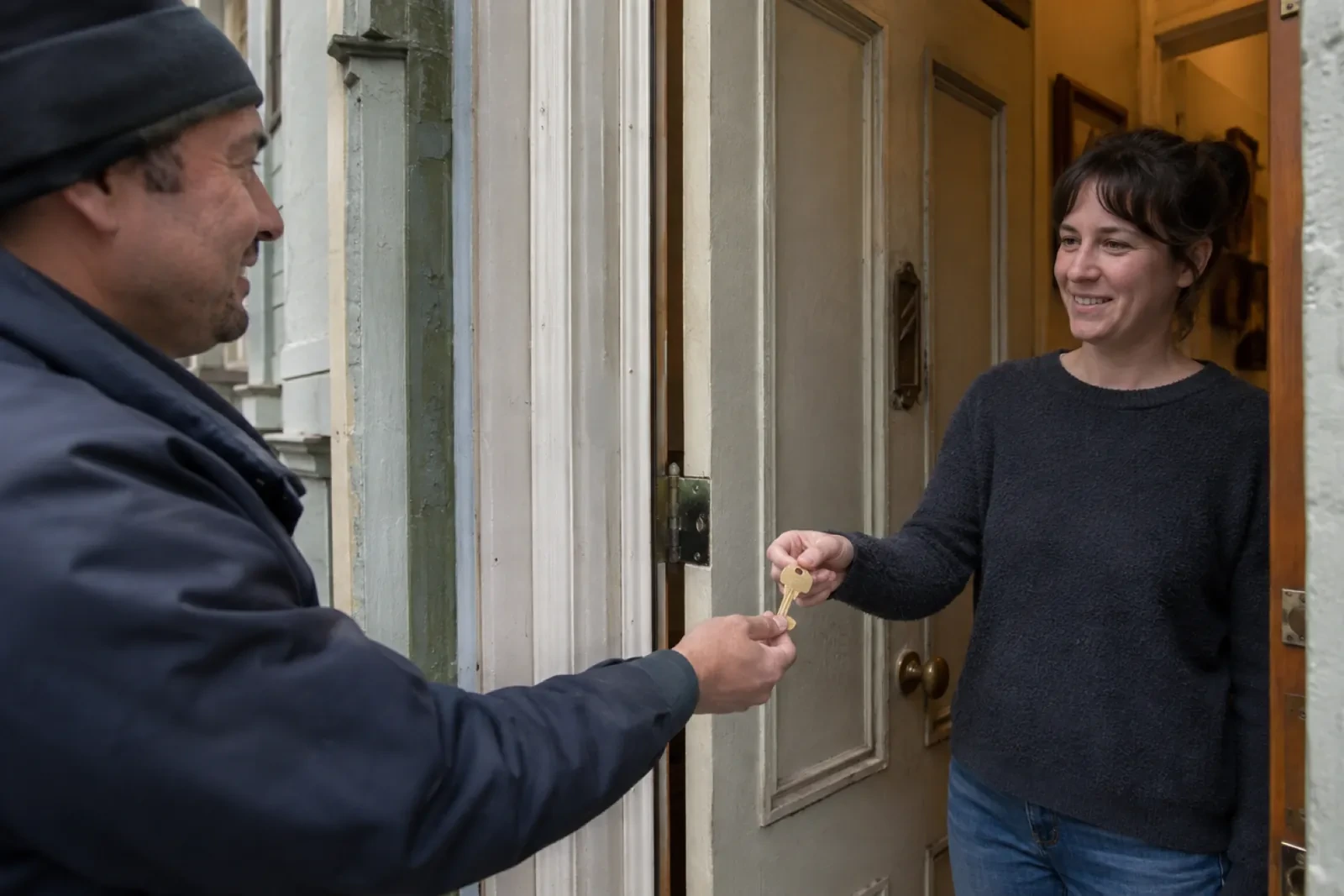
My key snapped off in the lock. Is that still a lockout call?
It starts the same way and adds one step. The broken blade is removed with extraction tools that grip it and draw it out, rather than pushing it deeper, and then the door is opened normally. A key rarely breaks in a healthy cylinder, so the locksmith checks the pins and springs afterwards and cleans or services the cylinder if wear caused it. A new key is cut from the two halves or from the code, since a weakened copy would snap again. Home Lockout Service
Our alarm is armed. What happens when you open the door?
The opening is planned around it. Before any work, the person with the alarm code is ready to disarm, and where a monitoring company is involved they can be told to expect an entry at that address. If the contact trips anyway, the authorised person speaks to the station with the account password. Nothing about the alarm is bypassed; the door is opened, the system is disarmed normally, and the event is logged like any other. Business Lockout Service
What happens if the piece cannot be removed?
It is rare, and it is discussed before anything changes. A glued, jammed or corroded-in fragment can usually still be reached by taking the cylinder off the door and working the plug out from the back. If even that fails, the cylinder is drilled where plug meets housing, sacrificed and replaced on the spot with new keys cut, so the door locks normally by the time the locksmith leaves. Broken Key Extraction
How long does a break-in repair take?
It depends on how much gave way. A new lockset and a reinforced strike on a sound frame is a modest job. Bonding a split jamb, sleeving a crushed door edge, reinforcing the hinges and rekeying several cylinders takes longer, and a shattered frame means a securing visit now and a second visit after the carpenter. The locksmith gives a sense of the time once the damage has been seen, and the opening is secured before leaving even when a part has to be ordered. Break-In Damage Lock Repair
Change or Rekey Locks
Will my door hardware look any different afterwards?
No. The work happens inside the cylinder, so the bolt, handle, finish and strike plate stay exactly as they are, and nothing new is cut into the door. The only visible change is the key in your hand. If a cylinder does have to be replaced, because its keyway is incompatible with the others or it has worn out, the locksmith picks one in a matching finish so the door keeps a consistent look. Lock Rekeying
What do lock grades mean when I am picking a deadbolt?
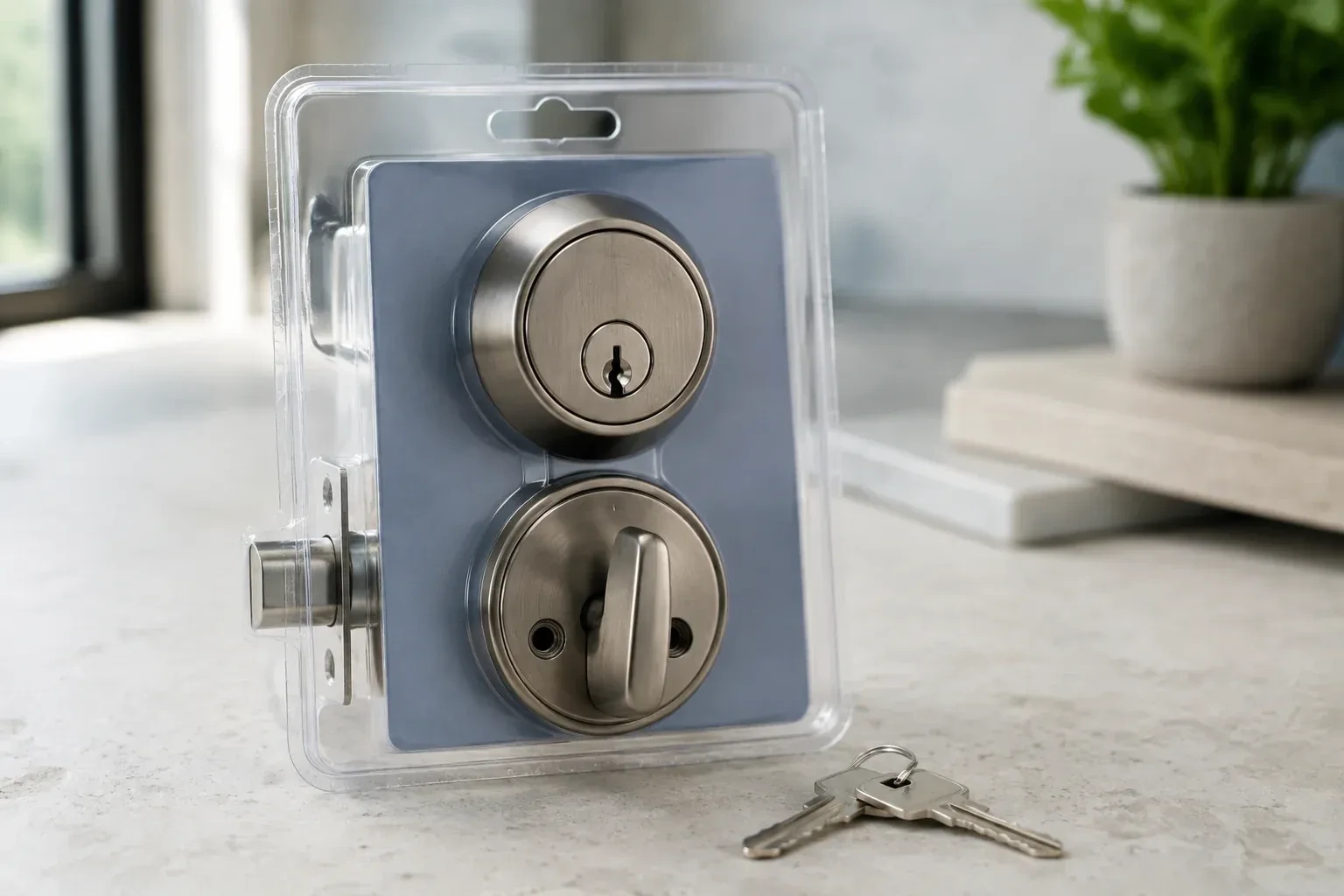
Residential deadbolts are graded under an industry standard in three categories, security, durability and finish, with letter grades from C through A, so a lock marked with three A grades has met the highest level in each. Heavier commercial-pattern bolts are graded 1, 2 or 3, with 1 the highest. The grades let you match hardware to a busy family door or an exposed side entrance without relying on the weight of the box. Deadbolt Installation
Can every door in the house work from one key?
Yes, provided the cylinders share a compatible keyway, which the locksmith checks when choosing hardware. New cylinders are pinned on site to a single new key and any existing locks worth keeping are repinned to match. Front, back, side and garage doors commonly end up on one key, and a shed or gate padlock can join them. You then decide how many copies exist and who holds each. Lock Replacement & Upgrade
What do I get at the end of the visit?
A lock you have tested yourself from both sides, keys counted into your hand with a spare, any parts that were removed if you want them, and a short written note of what was done: case type, parts replaced, keys made, strike adjusted. For a bit-key lock the locksmith keeps the details needed to cut further keys later. You also get shown where the yearly drop of oil goes. Vintage Mortise Lock Service
High Security Locks
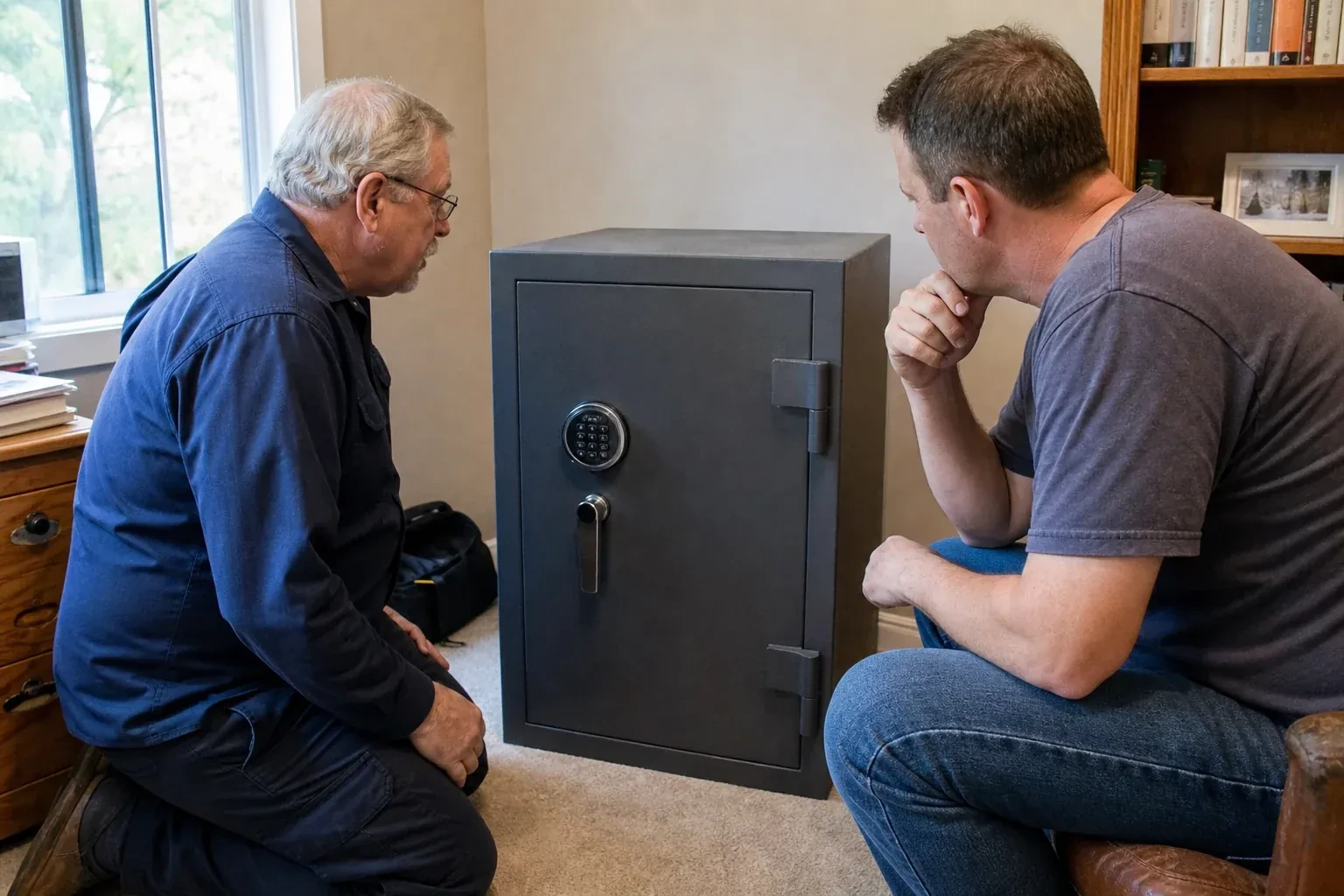
Can you help with a safe found in an inherited or estate property with no records at all?
Yes. The locksmith identifies the safe directly from its hardware, brand plate if one survives, and physical layout, then proceeds with the same manipulation, decoding or reset options used on any safe with an unknown history. Documentation such as a will, an executor's letter or a property transfer establishes your authority to have it opened. Safe Opening & Combination Change
What is involved in servicing an older safe instead of replacing it?
Servicing works through the same checks as a new installation in reverse: the bolt-work is opened, cleaned, and lubricated, the lock is tested and adjusted if it binds, the anchoring underneath is confirmed or added if it was never done, and batteries are replaced if the lock is electronic. Many older safes have solid steel bodies that outlast the mechanism inside them, which makes servicing a practical route rather than starting over. Safe Installation & Servicing
What information helps before the visit?
A photo of each door's lock from inside and outside, the type of door, whether there is glass nearby and roughly how many keys are in circulation. For a business, a sketch of the doors and who needs to reach each area saves a great deal of time. Mention any door that sticks, has been forced or has a closer or push bar on it. With that, the locksmith arrives with the right formats and a plan to discuss. High Security Locks
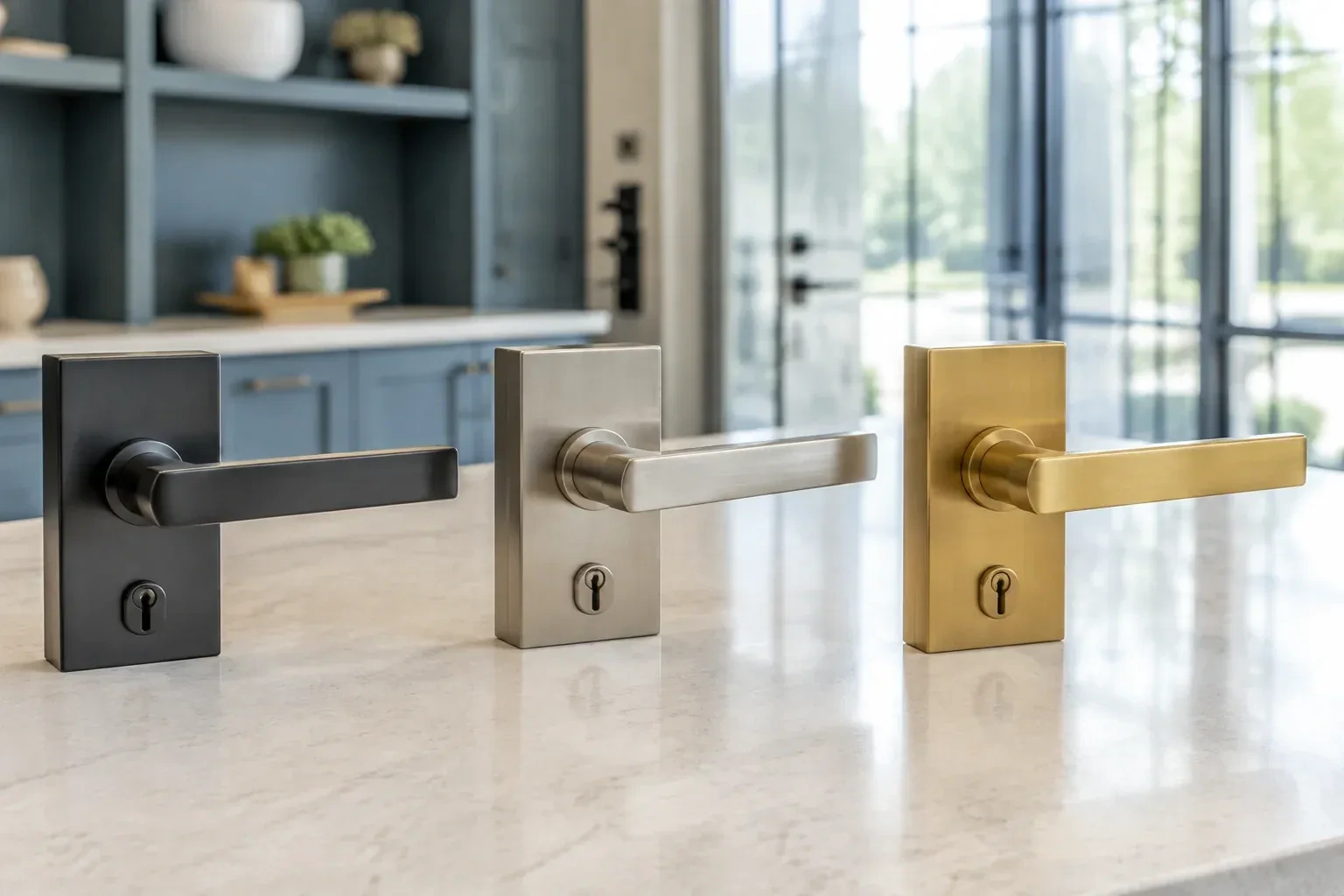
Commercial Locks
What is the difference between rekeying a business and replacing its locks?
Rekeying keeps every lock on the door and changes only the pins inside the cylinder, so a new key works and the old ones stop. Replacing swaps the hardware itself. Commercial cylinders are made to be repinned many times, so rekeying suits any lock in sound condition and leaves the levers, trim and door untouched. Replacement is chosen door by door for cylinders that are worn, corroded or too light for what they protect. Commercial Rekeying
What happens if a department splits or a business reorganizes?
The existing chart is the starting point rather than a blank page. Doors that move to a new department are reassigned within the existing hierarchy where the cylinders and platform allow it, and only the affected levels are touched. A reorganization is usually an adjustment to the record, not a reason to rebuild the whole system from the ground up. Master Key System Design
What happens at a networked location if the network or Wi-Fi goes down?
A standalone reader at a single door keeps working during a network or Wi-Fi outage, since it checks its own stored list rather than relying on a live connection. A networked controller generally keeps making local decisions at each door as well, though live updates, remote changes and off-site log access may pause until the connection returns. Access Control Installation
What does the finished installation actually prove to an inspector?
It proves that a specific device, rated for the opening it sits on, releases under an appropriate force, latches fully, and has been tested and recorded on a given date. The record travels with the building, so a fire inspector reviewing the space later is looking at a documented history of that exit rather than testing hardware with no known installation date or specification. Panic & Exit Hardware
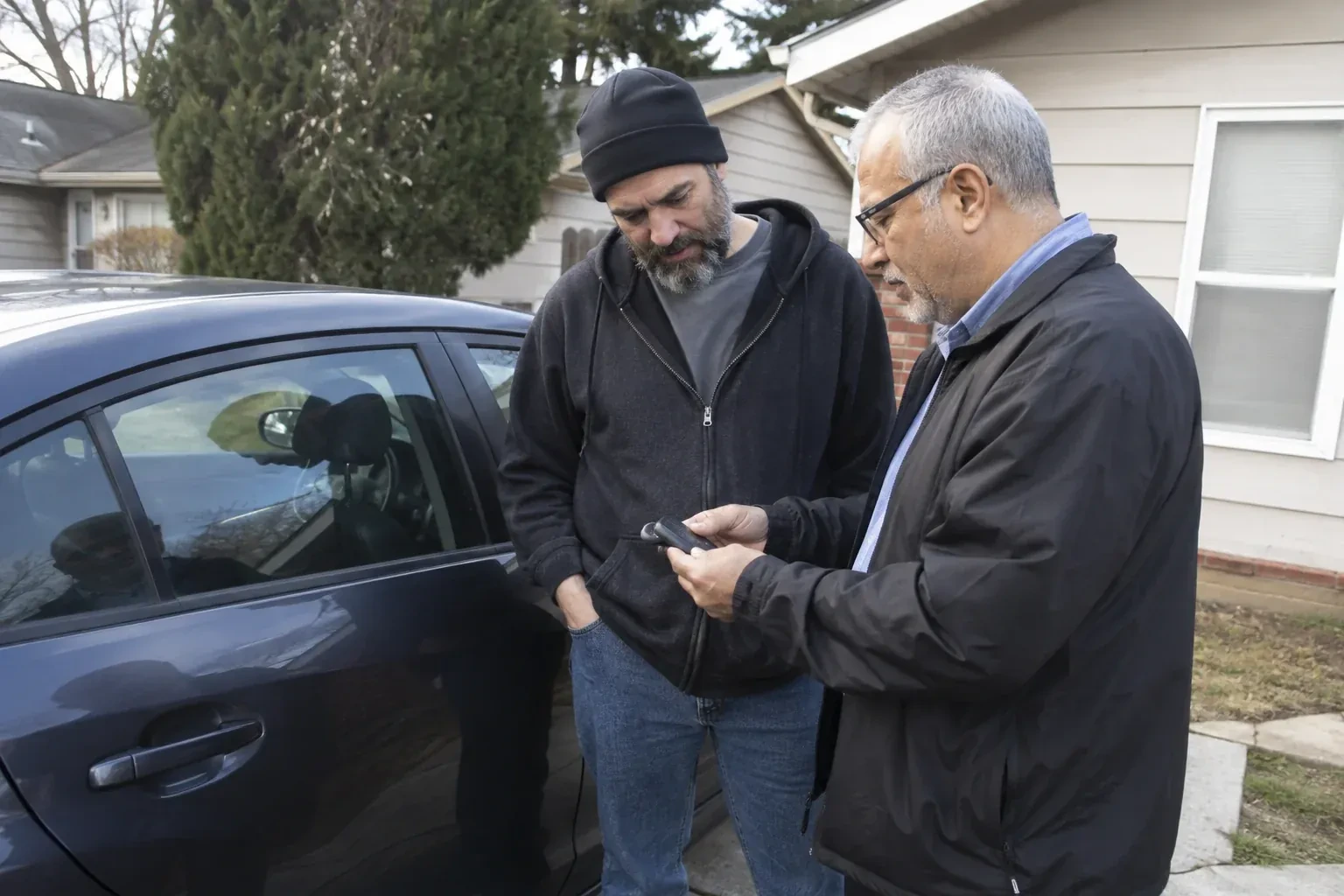
Car Keys
Should I call a tow truck or a locksmith?
For keys locked in, lost or broken, a locksmith opens the car where it stands and can usually make a key on the spot, so the car drives away. A tow moves the car to a shop but leaves the key problem unsolved. Roadside clubs send a locksmith for lockouts and reserve towing for cars that cannot be made drivable. If the shoulder is unsafe to work on, a short tow first may be sensible. Car Lockout Service
Will I get a written estimate before the work starts?
You should expect one. Consumer rules for motor vehicle repair work in this province call for a written estimate before any charge and for your authorization of the work, and a good locksmith works that way as a matter of course. The estimate names what is being supplied: the blank or fob, the cutting, the programming, any erasing of old keys and the number of keys, so you can see the parts of the job before agreeing. Car Key Replacement
Does cold weather affect a key fob?
Yes, in a couple of small ways. Battery performance drops in cold temperatures, so a fob that already had a fading battery is more likely to act up on a cold morning, and a proximity system's range can feel shorter in the cold as well. Testing a spare's battery before winter, and keeping a spare battery on hand, avoids being caught out by either. Spare Car Key Duplication
How do I stop all my fobs from wearing out around the same time?
Replacing coin-cell batteries as soon as a fob's range starts to feel shorter, rather than waiting for it to go completely dark, is the simplest habit. Keeping fobs off a keyring crowded with heavy metal keys reduces wear on the case and buttons as well. Since fobs from the same purchase batch often age together, a fading one is worth treating as an early warning for the others. Key Fob Programming
On-site assessment preferred
Request a visit
Reach out and we'll explain the options. Ask us what the visit involves.